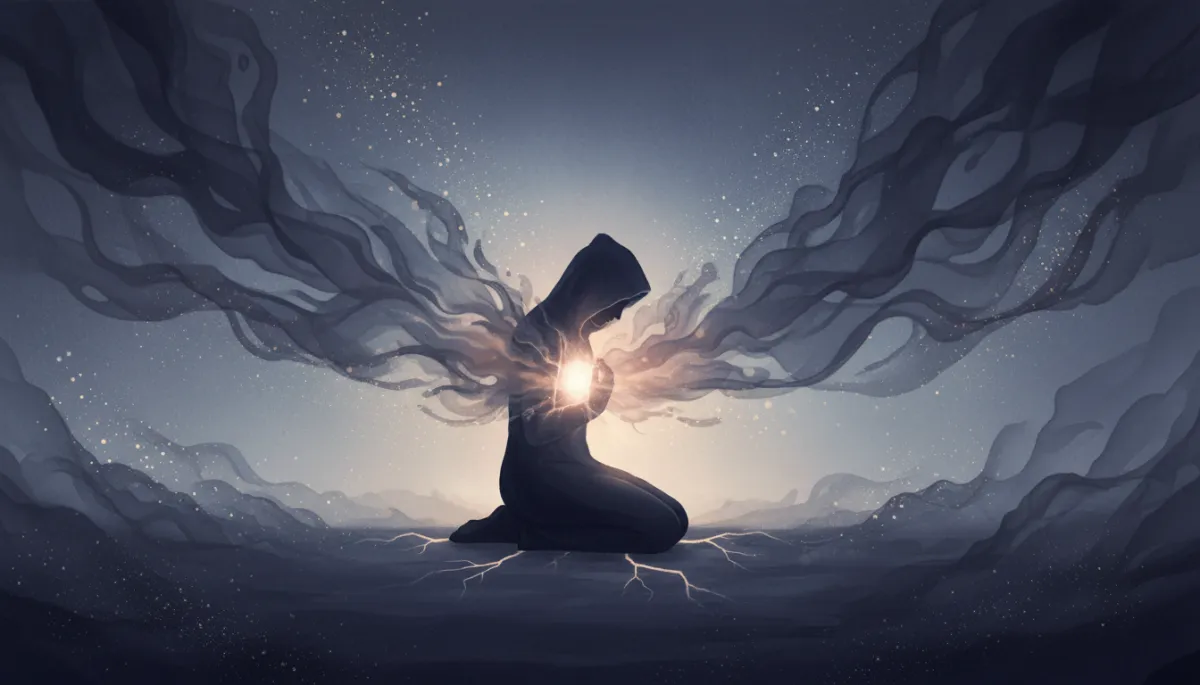
Understanding the Dark Night of the Soul
Spirituality, Inner Healing, Personal Growth
AWARENESS 2020
Understanding the Dark Night of the Soul: A Guide to Spiritual Transformation
The phrase dark night of the soul describes an intense inner passage where familiar beliefs, identities, and comforts fall away. For many, it appears as part of a deeper spiritual awakening, raising questions such as “What is happening to me?” and “Will this ever end?” This guide explains what the dark night is, why it arises, and how it can become a doorway to genuine spiritual growth and inner healing.
What Is the Dark Night of the Soul?
Historically, the term “dark night of the soul” comes from Christian mysticism, but today it is used more broadly to describe a profound soul crisis. During this phase, the meaning and stability you once found in relationships, work, beliefs, or spiritual practices may feel stripped away. You might experience emptiness, confusion, or a sense that life has lost its color. Rather than a sign that something has gone wrong, many traditions view this as a deep, if painful, invitation to spiritual transformation.
Unlike ordinary sadness or burnout, the dark night touches the core of your identity. It often brings questions such as “Who am I without my roles?” or “What is truly real?” These questions are central to spiritual awakening, where the self you thought you were begins to dissolve, making space for a more authentic connection to your inner truth and to life itself.
Signs You May Be Experiencing a Soul Crisis
While everyone’s journey is unique, many people in a dark night of the soul report similar experiences. Recognizing these signs can normalize what you are going through and reduce unnecessary fear:
A sudden loss of interest in activities, goals, or relationships that once felt meaningful
Feeling spiritually abandoned, disconnected from God, the Universe, or your usual sense of guidance
Emotional intensity, including waves of grief, anxiety, or existential fear without a clear cause
Questioning long‑held beliefs, identities, or spiritual frameworks that once felt solid
A quiet intuition that, beneath the turmoil, something deeper is trying to emerge

Intense questioning and emotional waves often signal a deeper shift in consciousness.
How the Dark Night Relates to Spiritual Awakening and Growth
The dark night of the soul is not separate from spiritual awakening; it is often one of its most intense stages. As old structures fall away, your usual coping mechanisms may no longer work. This dismantling can feel like collapse, yet it also clears space for deeper spiritual growth. Many people report that, after passing through this phase, they experience a more grounded sense of peace, compassion, and authenticity.
From this perspective, the dark night serves as a purification process. Unconscious patterns, unresolved wounds, and borrowed beliefs rise to the surface to be examined. While uncomfortable, this process supports profound inner healing. By facing what you once avoided, you gradually align your life with what feels most true and alive at a soul level.
Practical Ways to Navigate a Dark Night of the Soul
While there is no quick fix for a soul crisis, certain approaches can make the journey more manageable and meaningful. The aim is not to escape the experience, but to move through it with awareness and care.
Gentle self‑observation: Instead of judging your emotions, notice them with curiosity. Ask, “What is this feeling trying to show me?” This attitude supports inner healing by allowing buried material to surface safely.
Simple grounding practices: Slow walks, mindful breathing, or placing a hand on your heart can help regulate your nervous system while the deeper spiritual transformation unfolds in its own time.
Supportive community: Speaking with a therapist, spiritual director, or trusted friend familiar with spiritual awakening can normalize your experience and reduce isolation.
Balanced spiritual practice: Gentle meditation, prayer, or journaling can be helpful, but forcing intense practices may amplify distress. Aim for practices that bring quiet steadiness rather than dramatic experiences.
📌 Key Takeaway: The goal is not to “perform” spirituality perfectly, but to stay present, honest, and compassionate with yourself as deeper layers of your being are revealed.

Spiritual transformation often follows periods that feel like complete breakdown and emptiness.
From Breakdown to Breakthrough: Integrating the Experience
Over time, the intensity of the dark night usually softens. You may notice small but important shifts: a clearer sense of values, a quieter mind, or a more compassionate view of yourself and others. These are signs that the spiritual transformation is taking root. What once felt like meaningless suffering can, in hindsight, be seen as a reorientation of your entire life around deeper truth.
Integration means allowing what you discovered in the depths to inform your daily choices. You might simplify your commitments, set clearer boundaries, or pursue work and relationships that reflect your awakened values. In this way, the dark night of the soul becomes a catalyst for lasting spiritual growth, expanding your capacity for presence, love, and authenticity.
Final Thoughts: Honoring Your Unique Path
If you are moving through a dark night of the soul, it is important to remember that you are not failing at spirituality. You are undergoing a profound reorientation that many seekers, mystics, and ordinary people have faced throughout history. By approaching this soul crisis with patience, support, and self‑compassion, you create the conditions for deep inner healing and authentic spiritual awakening. The path may be shadowed for a time, but its ultimate direction is toward greater wholeness, clarity, and peace.
