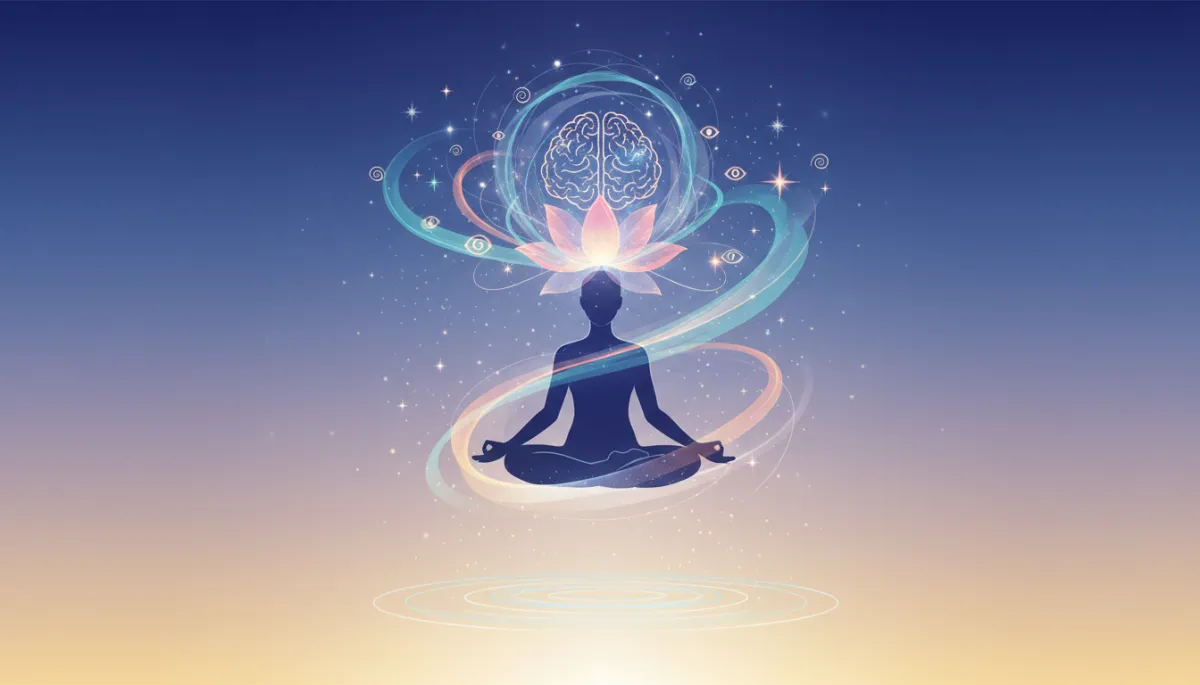
Meditation for Beginners: Gateway to Consciousness
Meditation, Spiritual Awakening, Mindfulness
AWARENESS 2020
Meditation for Beginners: Your Gateway to Consciousness
Meditation is no longer reserved for monks on mountaintops. It is a practical, accessible doorway into greater awareness, inner peace, and a deeper sense of who you really are. This guide on meditation for beginners will walk you through the basics of how to meditate, explain the link between meditation and consciousness, and show how mindfulness meditation can support your journey of spiritual awakening.
Why Meditation for Beginners Starts with Simple Awareness
When you are new to meditation, it can feel mysterious or even intimidating. At its core, though, meditation is simply the practice of paying attention on purpose. You are learning to notice your breath, thoughts, and emotions without immediately reacting to them. This shift from automatic reaction to conscious observation is the foundation of meditation and consciousness work.
For beginners, the goal is not to stop thinking or to have a dramatic mystical experience. Instead, it is to gently train the mind to rest in the present moment. Over time, this simple skill opens the door to deeper clarity, emotional balance, and a felt sense of inner peace.
Meditation and Consciousness: What Are You Really Exploring?
Consciousness is your basic sense of being aware. Before any thought, story, or emotion appears, there is a quiet awareness that notices it. Meditation and consciousness are linked because meditation helps you turn your attention back toward that awareness itself, rather than being lost inside every passing thought or feeling.
As you sit in stillness, you may observe patterns in your mind: worries, memories, judgments, and hopes. Instead of trying to fix or suppress them, you simply notice them arising and passing away. Gradually, you begin to recognize that you are not your thoughts; you are the awareness in which thoughts appear. This realization is a key step on the path of spiritual awakening.

Noticing awareness itself is a gentle doorway into spiritual awakening.
How to Meditate: A Simple Step-by-Step Practice
Understanding how to meditate practically is essential when you are just starting out. The following basic practice is suitable for complete beginners and can be done in as little as five to ten minutes a day.
Choose a quiet space. Sit on a chair or cushion with your back comfortably straight. Let your hands rest on your legs or in your lap.
Gently close your eyes or soften your gaze. Take a few slow, natural breaths, allowing your body to relax on each exhale.
Bring attention to your breath. Notice the sensation of air moving in and out of your nose, chest, or belly. You are not trying to control the breath, only to observe it.
Expect your mind to wander. When you notice that you are thinking about something else, simply acknowledge it and gently return your focus to the breath. This returning is the core of the practice.
End with a moment of gratitude. After your timer rings, take a breath and notice how you feel. Thank yourself for practicing, no matter how “good” or “bad” it seemed.
💡 Practical Tip: For effective meditation for beginners, consistency matters more than duration. A few minutes every day is more beneficial than a long session once a week.
Mindfulness Meditation: Bringing Presence into Everyday Life
Mindfulness meditation is one of the most accessible forms of practice for beginners. Mindfulness means paying attention to the present moment with openness and curiosity. Instead of drifting through your day on autopilot, you become aware of what you are doing, feeling, and thinking right now, without harsh judgment.
You can practice mindfulness meditation formally, sitting with your breath, or informally, by bringing full attention to everyday activities. For example, you might notice the warmth of the water while washing dishes, the rhythm of your steps while walking, or the taste and texture of each bite while eating. These simple moments of mindful awareness gradually calm the nervous system and create space for inner peace to emerge.

Mindfulness turns ordinary moments into opportunities for calm and clarity.
Spiritual Awakening and the Journey Toward Inner Peace
Over time, consistent practice can lead to what many traditions call spiritual awakening. This does not have to be a sudden, dramatic event. Often, it unfolds gradually as you see more clearly how your mind works and what truly matters to you. You may feel less controlled by old habits, more compassionate toward yourself and others, and more connected to something larger than your individual story.
Inner peace in this context does not mean that life becomes perfect or that challenges disappear. Rather, it is the growing ability to meet each experience—pleasant or painful—from a stable, grounded awareness. Through meditation and consciousness practices like mindfulness meditation, you learn to rest in that deeper stability, even when the surface of life is turbulent.
Getting Started Today: Small Steps, Lasting Change
To begin your own journey with meditation for beginners, choose a simple practice, set a realistic daily time, and create a quiet corner where you can sit undisturbed. Remember that learning how to meditate is like learning any new skill: you will have ups and downs, but every session counts. With patience, you will discover that meditation is not about escaping life, but about meeting it more fully, with clarity, compassion, and a deepening sense of inner peace.
As you explore meditation and consciousness, allow your practice to be an invitation rather than a demand. Approach each session with gentle curiosity. Over time, you may find that what began as a simple experiment in mindfulness meditation becomes a lifelong companion on your path of spiritual awakening.
